Remote Patient Monitoring
Vitals streamed from devices to clinicians in real time, with tunable thresholds that route the right signal to the right person — and a trail for every escalation.
Talk to our healthcare team ↗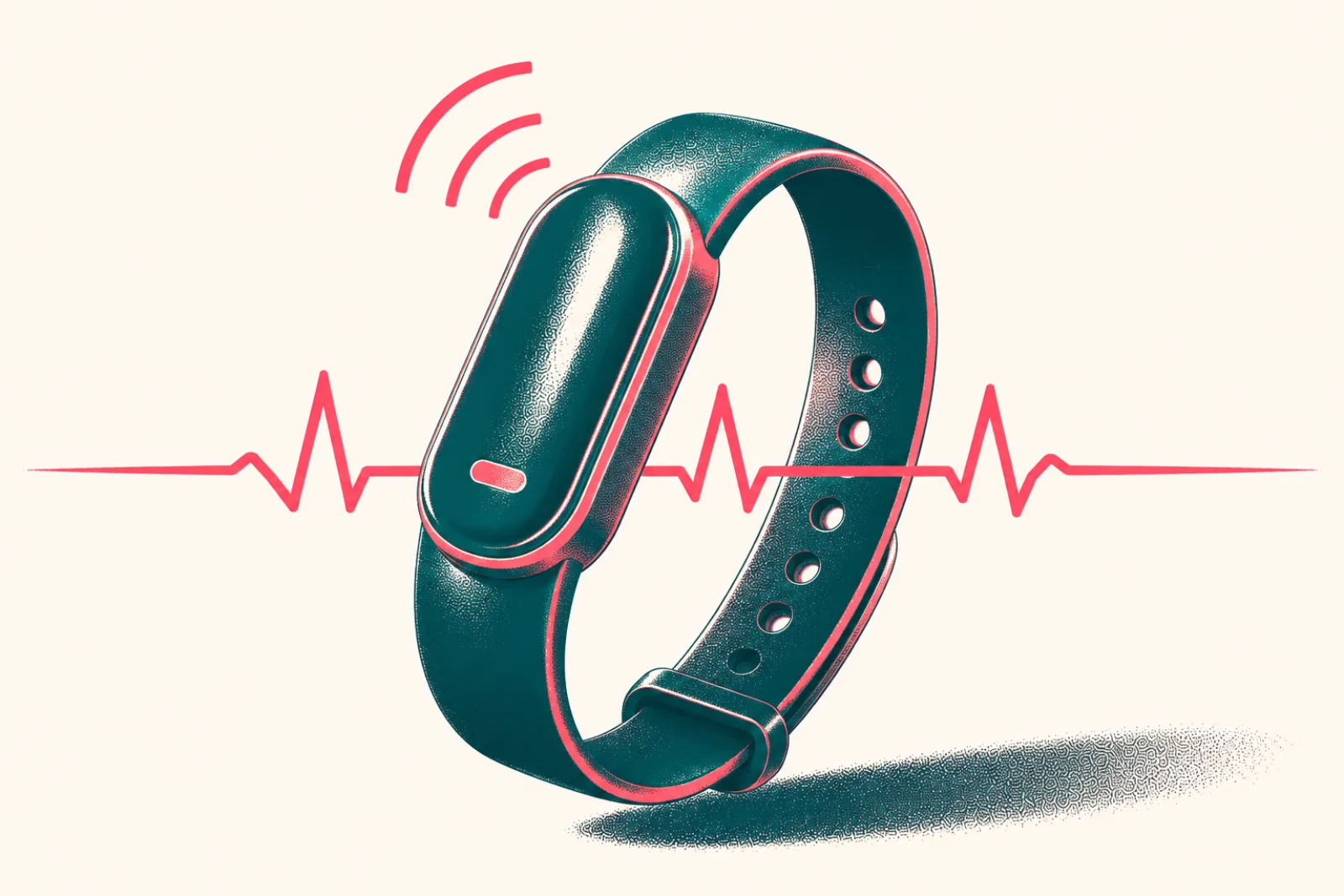
What makes remote monitoring clinically trustworthy?
Remote patient monitoring only earns a clinician's trust if the alerts it sends are ones worth acting on. A dashboard that pages a nurse for every reading outside a generic range gets muted within a week, and the patient it was meant to protect quietly falls back to being unmonitored.
We build alert rules that are tunable per condition and per patient cohort, so the signal reaching a nurse's queue is one that actually needs a decision — and every escalation is logged with the reading that triggered it, so a missed alert is a traceable system event, not a mystery raised in a morbidity review.
What the platform covers
Device data ingestion
Vitals stream in from connected devices — BP cuffs, pulse oximeters, glucometers, wearables — normalized into one patient record.
Tunable alert thresholds
Thresholds set per condition and per patient, not one generic range, so a queue isn't flooded with readings that don't need a decision.
Escalation & routing
An out-of-range reading routes to the right role — nurse, on-call physician, caregiver — with the context needed to act, not just a number.
Clinician dashboard
A live view of every monitored patient's status, built to survive a twelve-hour shift, not a demo.
Audit trail
Every alert, escalation, and dismissal is logged with the inputs behind it, so an auditor or a clinician can reconstruct exactly what happened.
EHR integration
Readings and escalations flow into your existing record via HL7 or FHIR, scoped against your system's actual interface.
How the build runs
Map the clinical workflow
We shadow how out-of-range readings are handled today, because the alert-fatigue problem usually starts with thresholds set once and never revisited.
Design thresholds & routing
Alert rules and escalation paths are designed per condition and cohort with your clinical team, not set to a generic industry default.
Build & integrate
Device ingestion, the clinician dashboard, and EHR integration are built and tested against your actual devices and interface spec.
Pilot with a real cohort
A limited rollout with one condition or unit surfaces which alerts are actually acted on before the wider rollout.
Remote Patient Monitoring FAQ
The tools we build with
Chosen for auditability as much as capability — every layer here can produce a trail an assessor will accept.
Interoperability
 MQTT
MQTTPlatform
 React
React Node.js
 PostgreSQL
Streaming & alerts
 Kafka
Kafka Redis
Redis TimescaleDB
Compliance & ops
 AWS
AWS Terraform
 OpenTelemetry
Related work


Related reading


Monitoring dashboard nobody checks after week two?
Tell us the conditions you monitor and the devices already in patients' hands. We'll scope thresholds worth trusting.